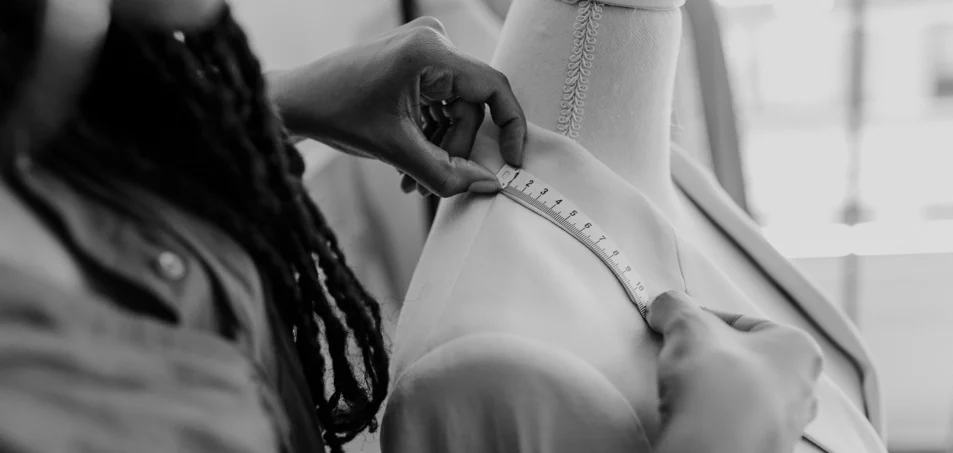
Use separate fit, size and pre-production approvals to avoid reopening the same decisions at every sample round.
Apparel sample approval turns a design into a garment the factory can repeat. A single style may go through a prototype, fit revisions, a size set and a pre-production sample. Each round should answer a specific question, and the brand and factory should agree who can approve it.
Use fit samples to resolve the pattern
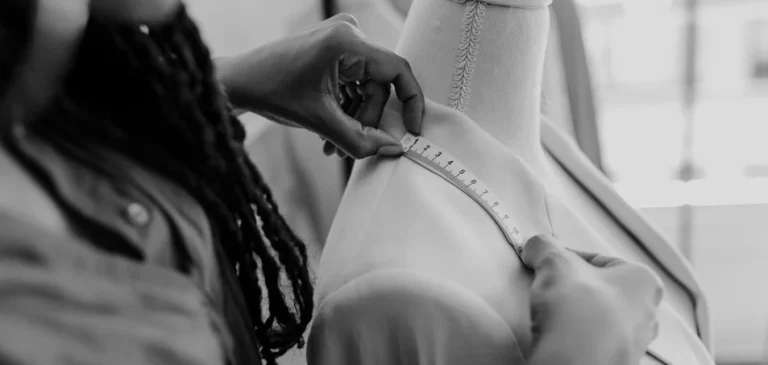
Review the base size on a consistent fit model or form. Record actual garment measurements beside the target values, then inspect the balance from the front, side and back. Sitting, reaching or cycling in position can reveal issues that are easy to miss in a static fitting.
Review photos in context. Pulling near an armhole might come from body balance, sleeve pitch or the fabric’s lack of give. A marked photo and a measurement make the next revision easier to discuss. When testing a substitute fabric, record how its stretch, weight or drape differs from the approved material.
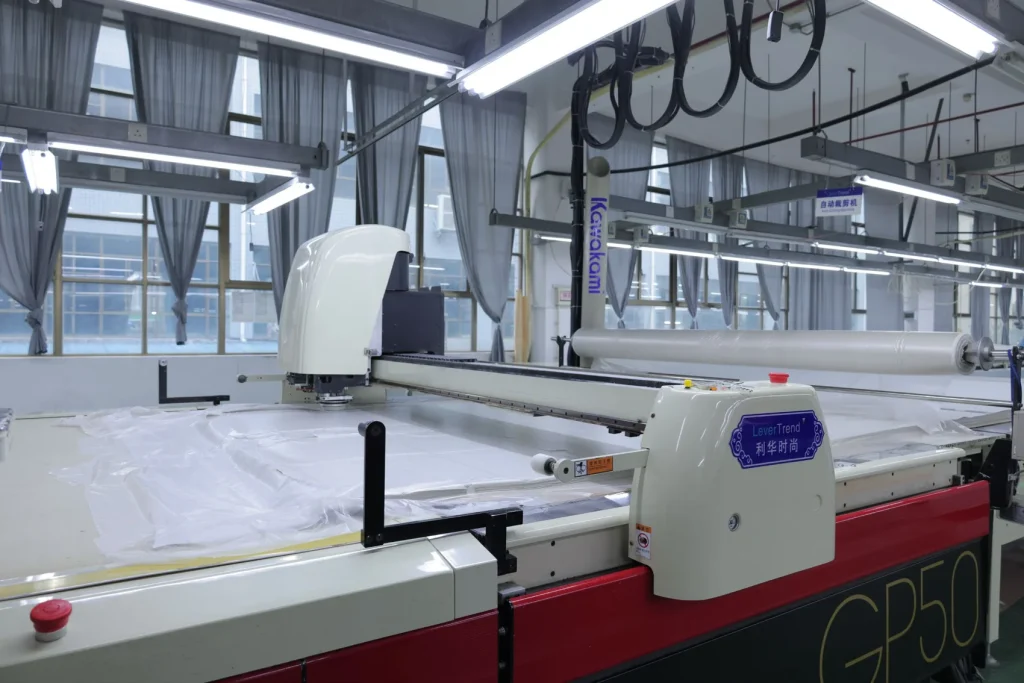
Check the size set and final components
After base fit approval, compare representative sizes to make sure the intended fit survives grading. Check details that can look out of proportion at either end of the range, including pocket opening, neck width and trim placement. A simple side-by-side review can catch problems that a table of measurements misses.
Review the pre-production sample against the current tech pack using bulk or explicitly approved components. Confirm colour, labels, finishing, trim operation and packing requirements. Document any open issues and agree which ones must be closed before bulk cutting.
Keep one approval record
Record the sample date, style and revision, reviewer and outcome. Keep a reference sample with the approved specification so production and quality teams have a shared benchmark. When a change is approved, update the specification and tell everyone who works from it.
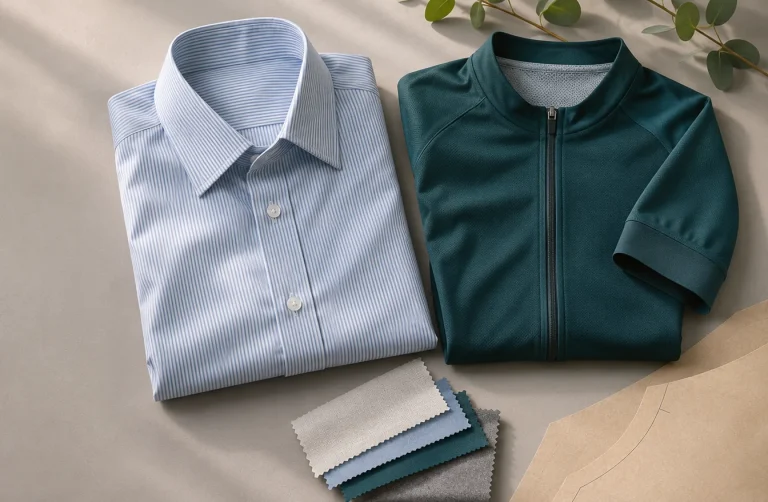
Schedule material approvals alongside fit reviews. A shirt pattern can be ready while the bulk fabric is held for a shade review. A production calendar that shows both decisions gives the team a clearer view of when the order can move forward.