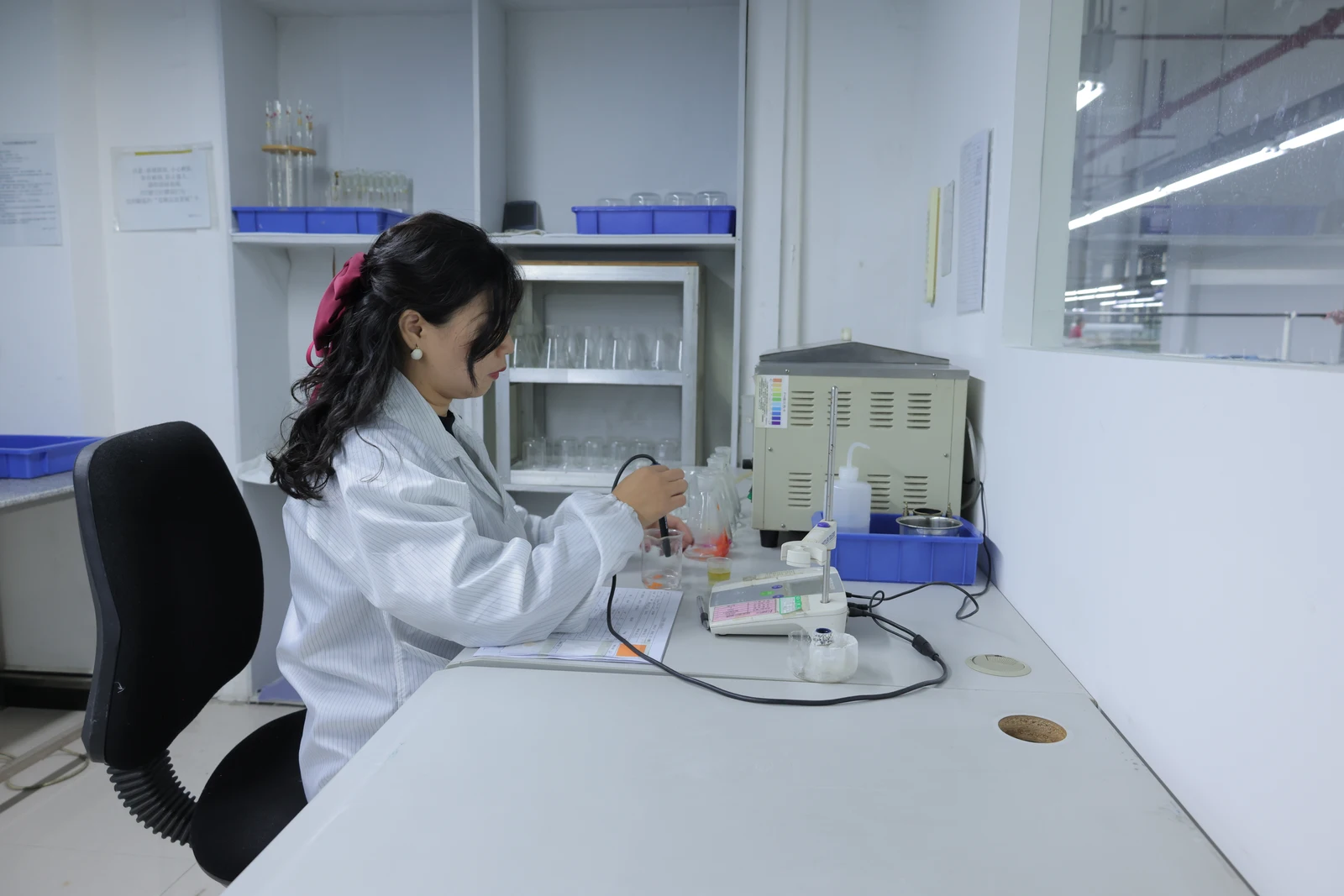
Connect fabric tests to the ways a garment will be worn, washed and handled throughout production.
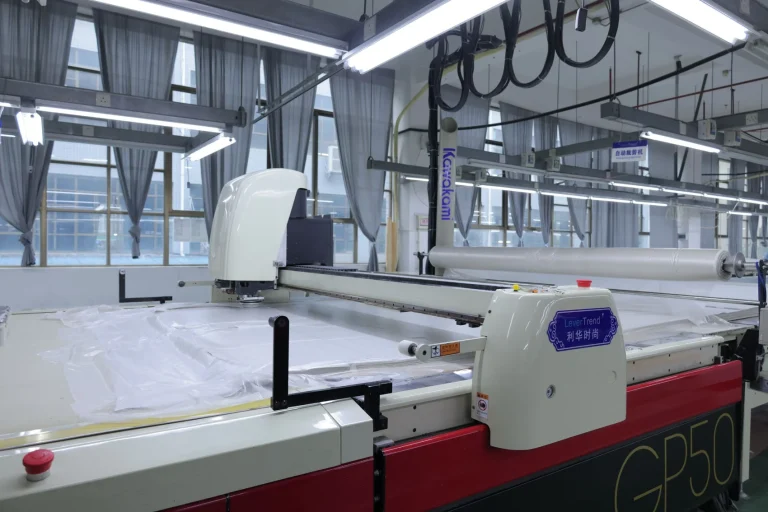
Fabric testing for apparel production helps a brand decide whether a material is ready for cutting. A fabric can look right on the swatch card and still change after washing, transfer colour or behave differently at a seam. Build the test plan around how the garment will be made, worn and cared for.
Check dimensional change and appearance
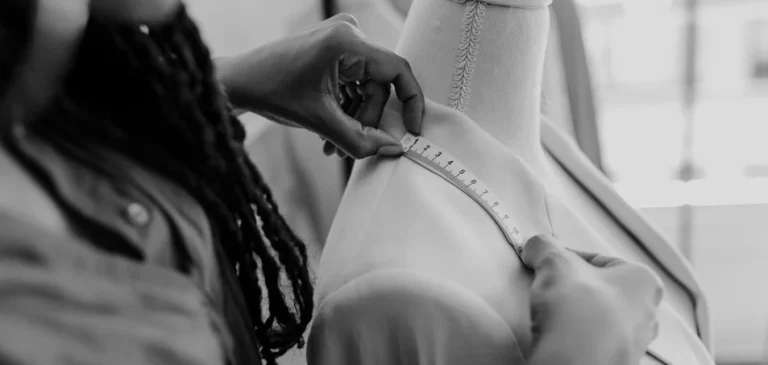
Record size changes after the agreed wash and dry procedure. Check both directions of a woven fabric and assess which measurements in a finished garment will be affected. Review appearance after care as well. A fabric can hold its dimensions while the surface pills or pieces of the garment lose their intended shape.
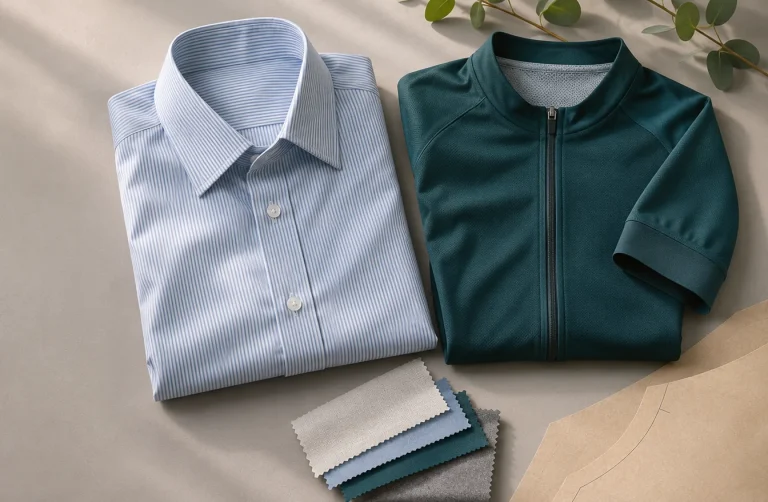
Test the most important combinations on a sewn sample. A shirt with a contrast trim, for example, may need a combined review of shade transfer, seam puckering and how the collar or placket looks after washing.
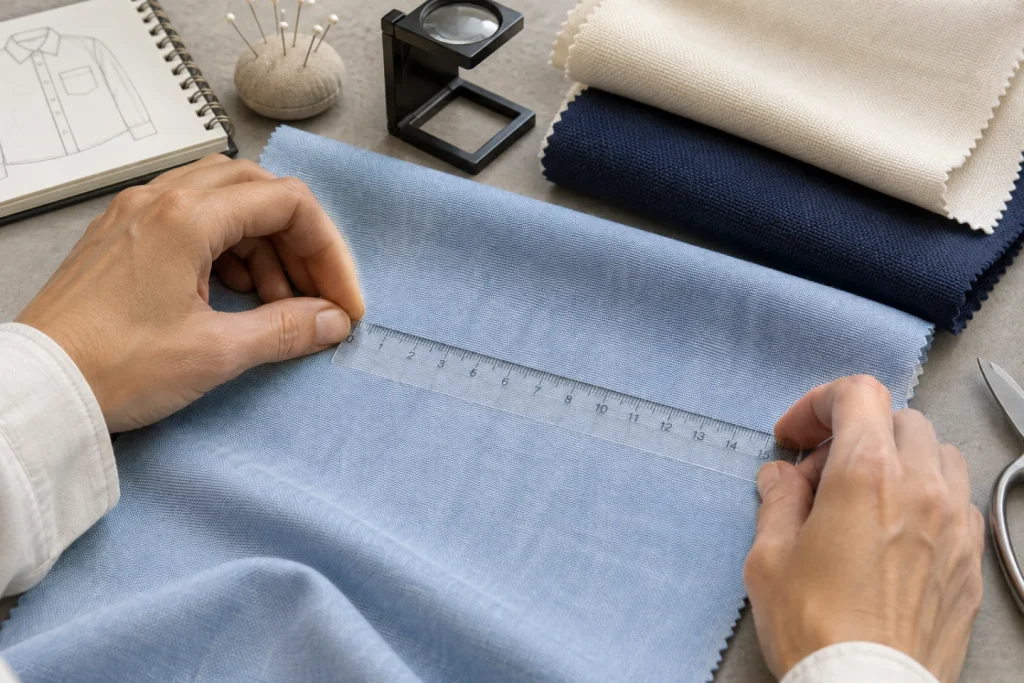
Match colour and strength checks to the product
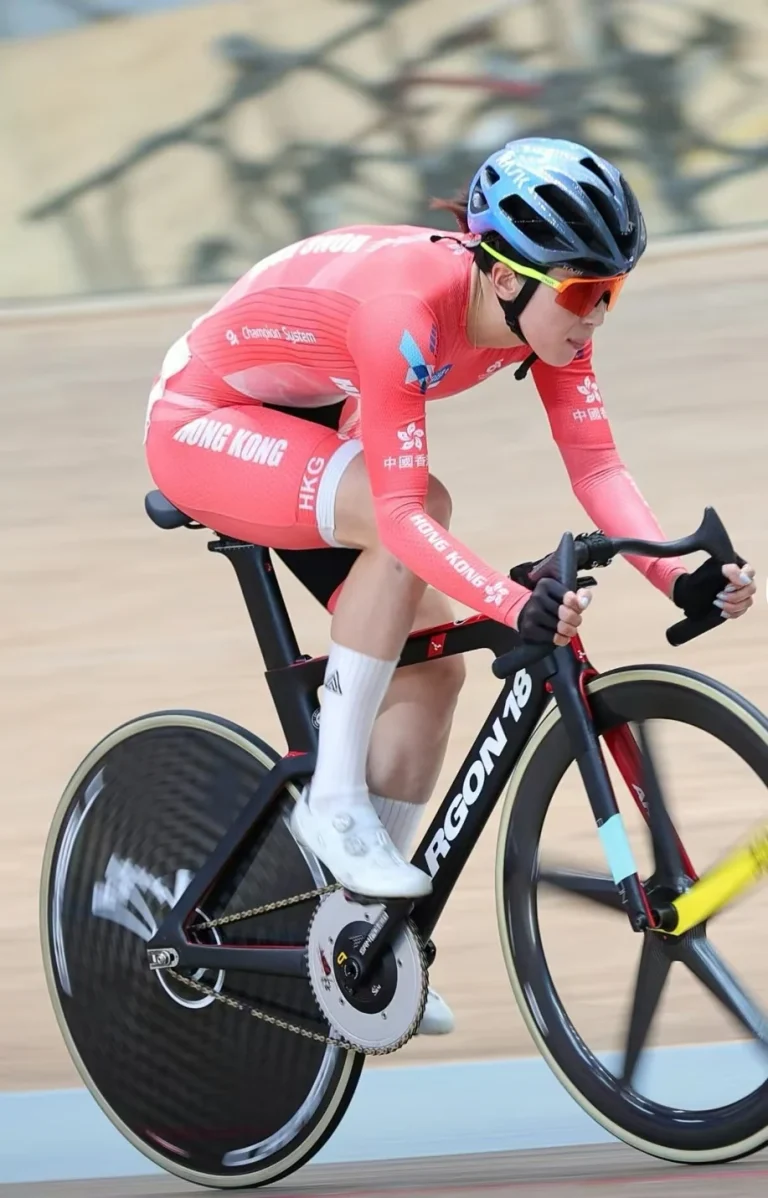
Check how readily a dark dye transfers with rubbing and whether the bulk shade matches the approved reference. Compare shade under appropriate lighting, especially where different components meet. Review whether the care plan, intended wear and colour contrast raise particular concerns.
Choose strength checks based on the construction. A woven trouser may need a seam strength check around a high-stress area, while a lightweight shirt fabric may need tear strength reviewed before approval. Discuss the test method and acceptance criteria with the quality team at the start of development.
Tie reports to production material
Record the style, material name, colour, lot and test date. When a fabric or finish changes, confirm which checks must be repeated. Share the result and the decision with the people approving materials and planning cutting, especially if the result requires a corrected pattern or a replacement fabric.
LeverTrend’s fabric testing capabilities include dimensional change, pilling, colour assessment and strength checks. Bring the product’s care requirements and test expectations into the development discussion to agree on what to verify and when.