Evaluate pad placement, strap tension and leg stability together when developing bib shorts.
Cycling bib shorts fit depends on how the pad, fabric, seams and straps behave together in the saddle. Use the intended riding posture and duration to guide development. A close-fitting race bib and an endurance bib can have different needs for coverage, pressure and storage.
Start with position and coverage
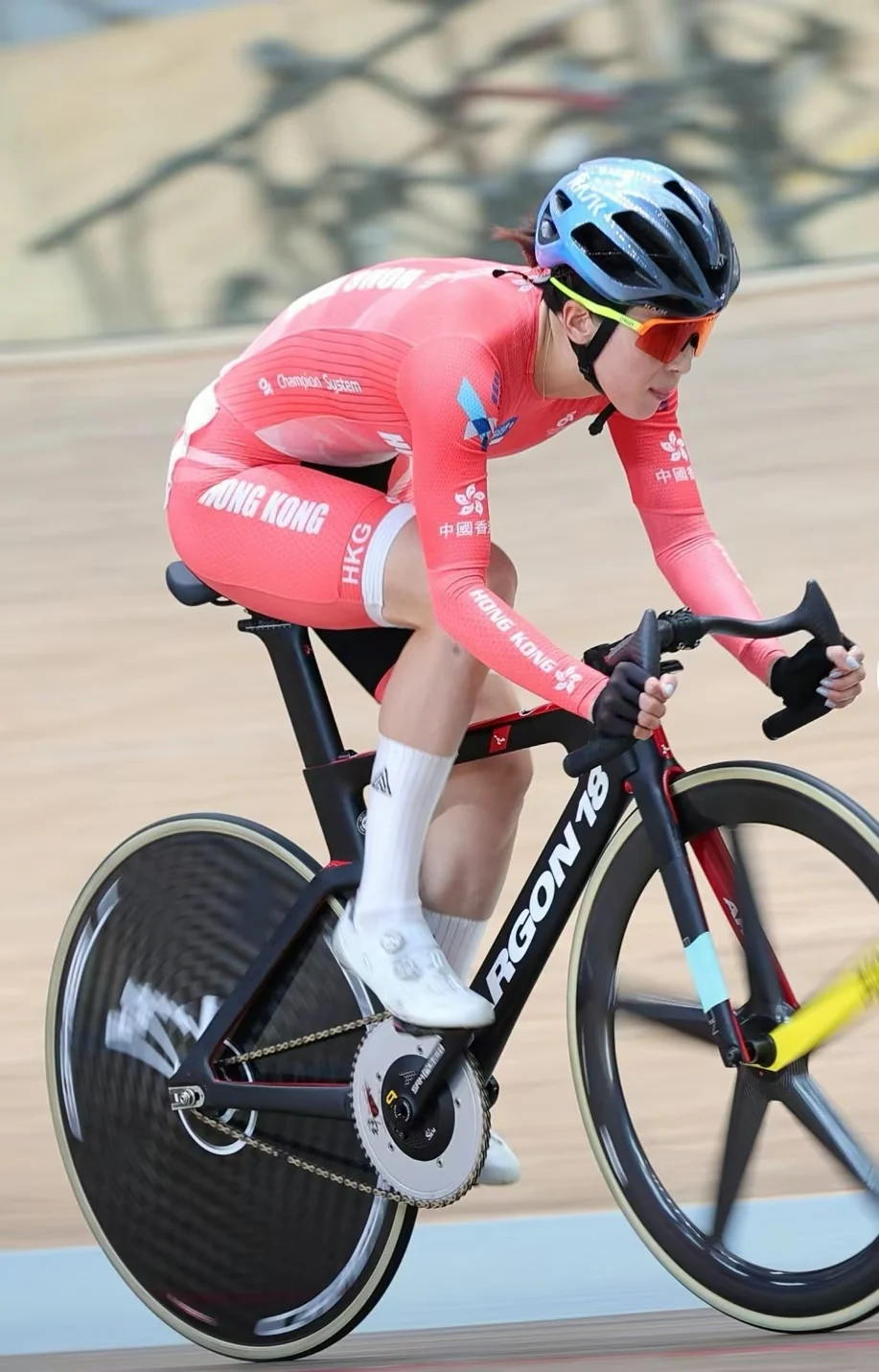
Describe the use case before selecting a pad. A rider in a low road position places pressure on different contact points from a rider sitting more upright. Ask testers to report where they feel pressure, friction or folding and at what point in the ride it appears.
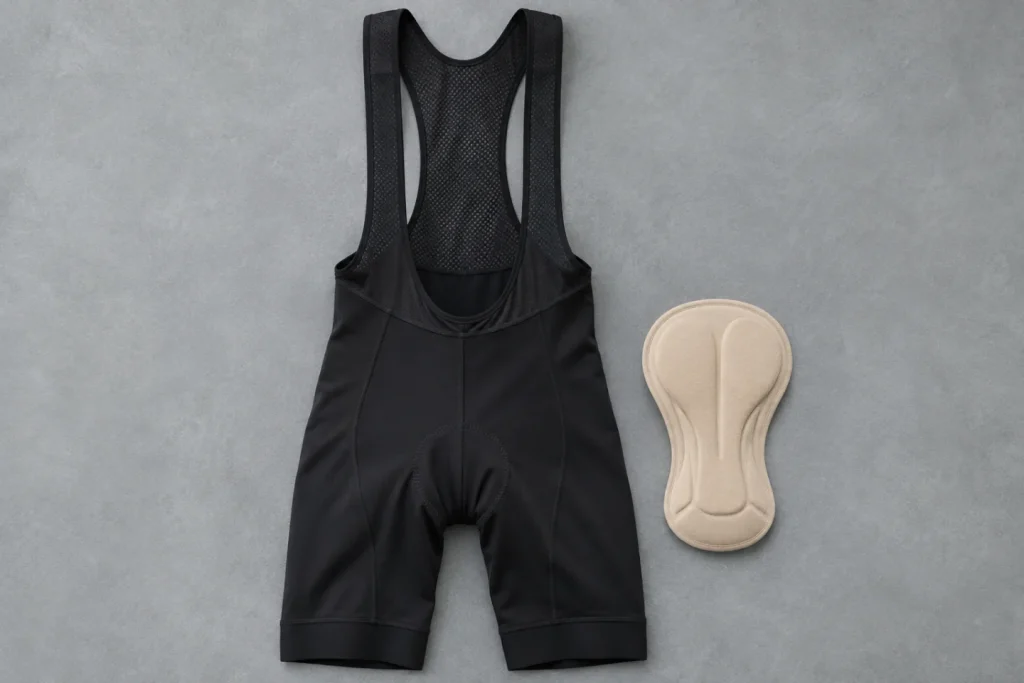
Check pad placement from the side and underneath where practical, and review it across representative sizes. Pad thickness is one input. Shape, foam placement, flexibility and how the pad follows the body matter when the rider changes position.
Balance straps, seams and leg openings
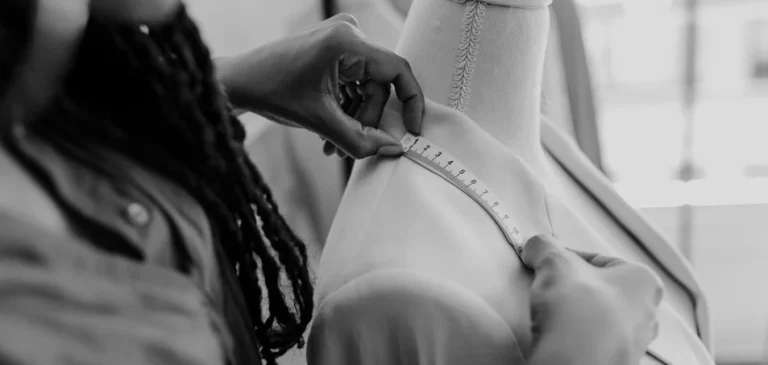
With the rider in position, check that the straps hold the garment in place without excessive pressure over the shoulder. Assess seam placement near the inner thigh for friction. Flat seams and clean finishes can help when the seam layout supports the intended movement.
Look at how the fabric recovers after riding and after laundering. Check that the leg opening remains stable and feels comfortable for the intended duration. Some designs use a silicone gripper, while others rely on a wide band with recovery. Either option needs a wear test on the actual garment.
Give the sample room feedback it can use
Document the sample size, pad reference, fabric and strap version for each ride test. Record changes separately so the next version shows whether a new pad, seam position or fabric improved the result. Recheck opacity when the material is stretched and confirm that printed or reflective details stay in the intended position.
LeverTrend’s cycling development includes bib shorts and jerseys. Send an existing fit sample and note the target ride posture, leg length and wearer feedback to make the first sample round easier to evaluate.