
Turn a road or trail use case into fabric, fit and wear-test decisions for a running top and shorts.
Running apparel development begins with the route and the runner. A lightweight road singlet may need a clean arm opening and a soft finish. A trail top may spend hours under a hydration vest, adding abrasion and seam-placement concerns. Write those conditions into the brief so the development team can test the garment in context.
Choose fabric by how it behaves in use
Compare weight, hand feel, airflow and how the fabric feels when damp. Wear a sample over the intended layer or under a vest to assess contact. In light colours, review coverage both dry and wet if that reflects the intended use.
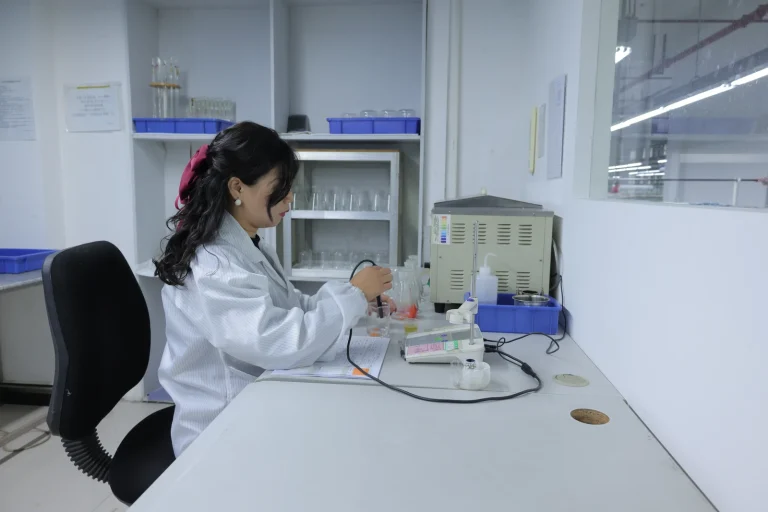
If the brand plans to make a drying or sun-protection claim, identify the required test before choosing the final fabric. Request results tied to the material and colour being considered. Keep the tested construction and any fabric finish in the approval record.
Check cut, seams and storage while moving
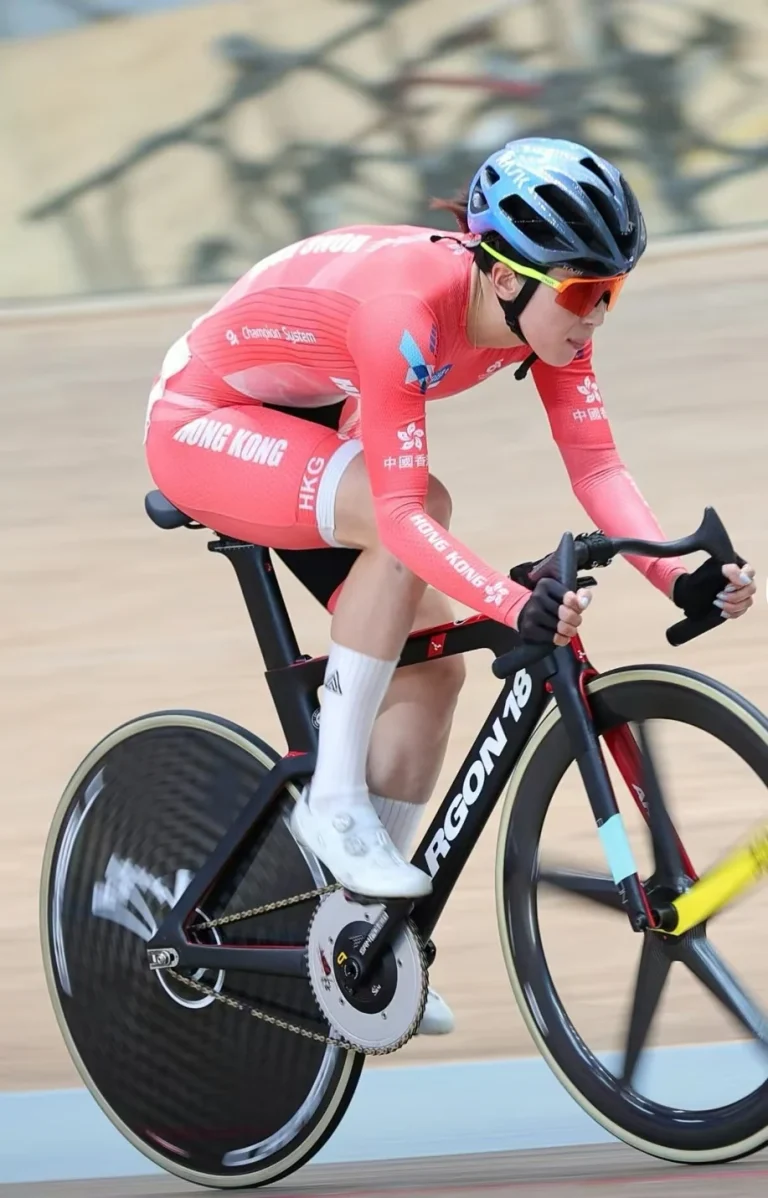
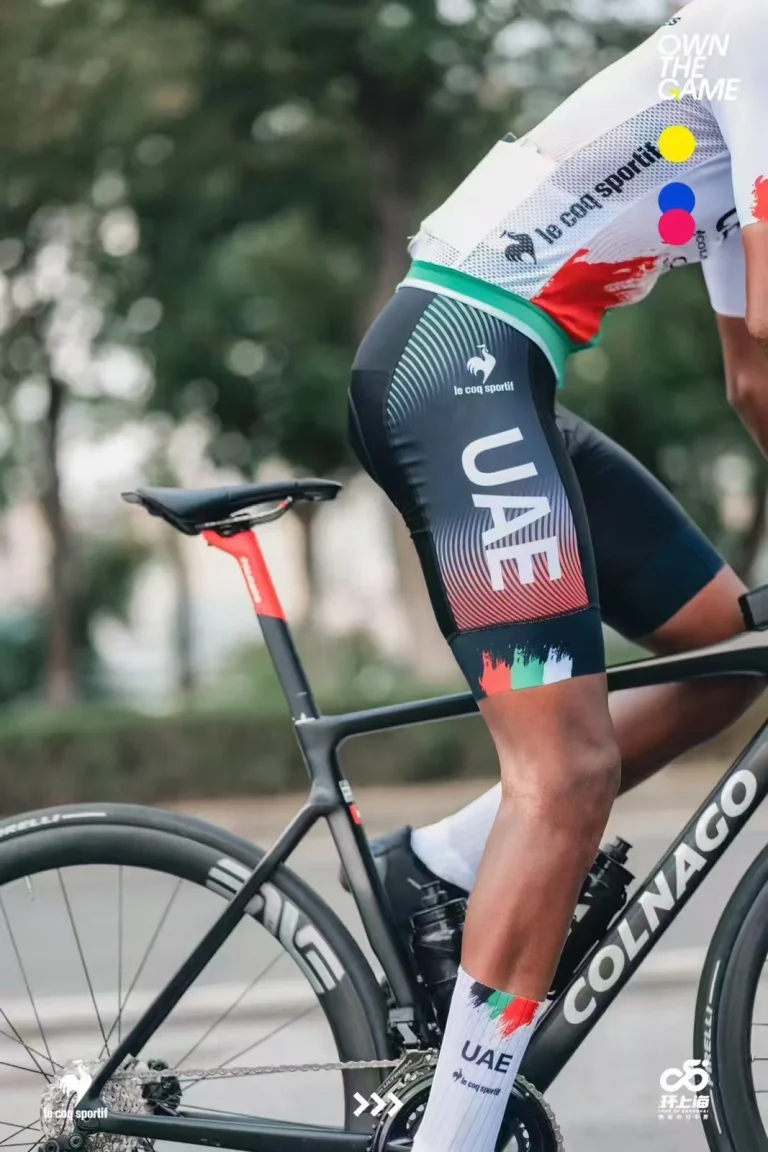
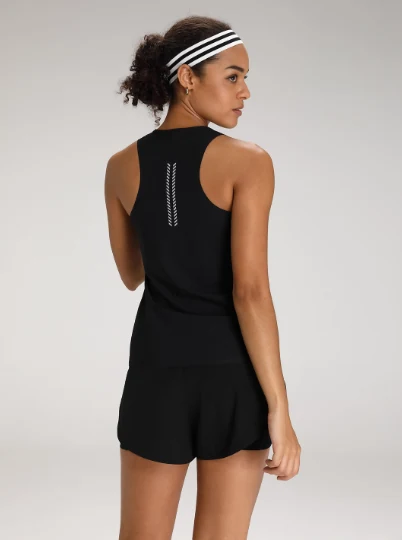
Test arm swing in a singlet and watch where the binding meets the skin. For shorts, check stride, rise and the position of the liner during repeated movement. Have runners try the sample at a few paces, on inclines or while taking steps that reflect the intended route.
Load the pockets with the items a runner is expected to carry. Check bounce, how easily the pockets open on the move and whether the load pulls the waistband. For trail styles, check pocket access with the vest or belt in place.
Set clear sample decisions
Collect tester feedback alongside measurements and photos. Distinguish a fit correction, such as lowering an armhole, from a fabric or seam change. Review a representative size range when the fit depends on close contact or stretch.
LeverTrend’s performance work includes running tops, singlets and shorts. A development brief that names the running conditions, storage needs and preferred fit helps translate a reference garment into a sample with clear approval criteria.